How Multi-Site Operators Cut LAD Penalties with Real-Time Visibility
A single missed task on a single site rarely sinks a project. But ten missed tasks across forty sites — that is where penalties stack up fast. For multi-site operators in Malaysia, the real problem is not capability. It is visibility.
When a project manager has 25 sites in their portfolio, they can physically visit maybe five a week. The other twenty run on trust — trust that supervisors are reporting accurately, trust that contractors are on schedule, trust that nothing is silently slipping behind. LAD penalty clauses do not accept trust as proof. They want timestamps, photo evidence, and signed completion records.
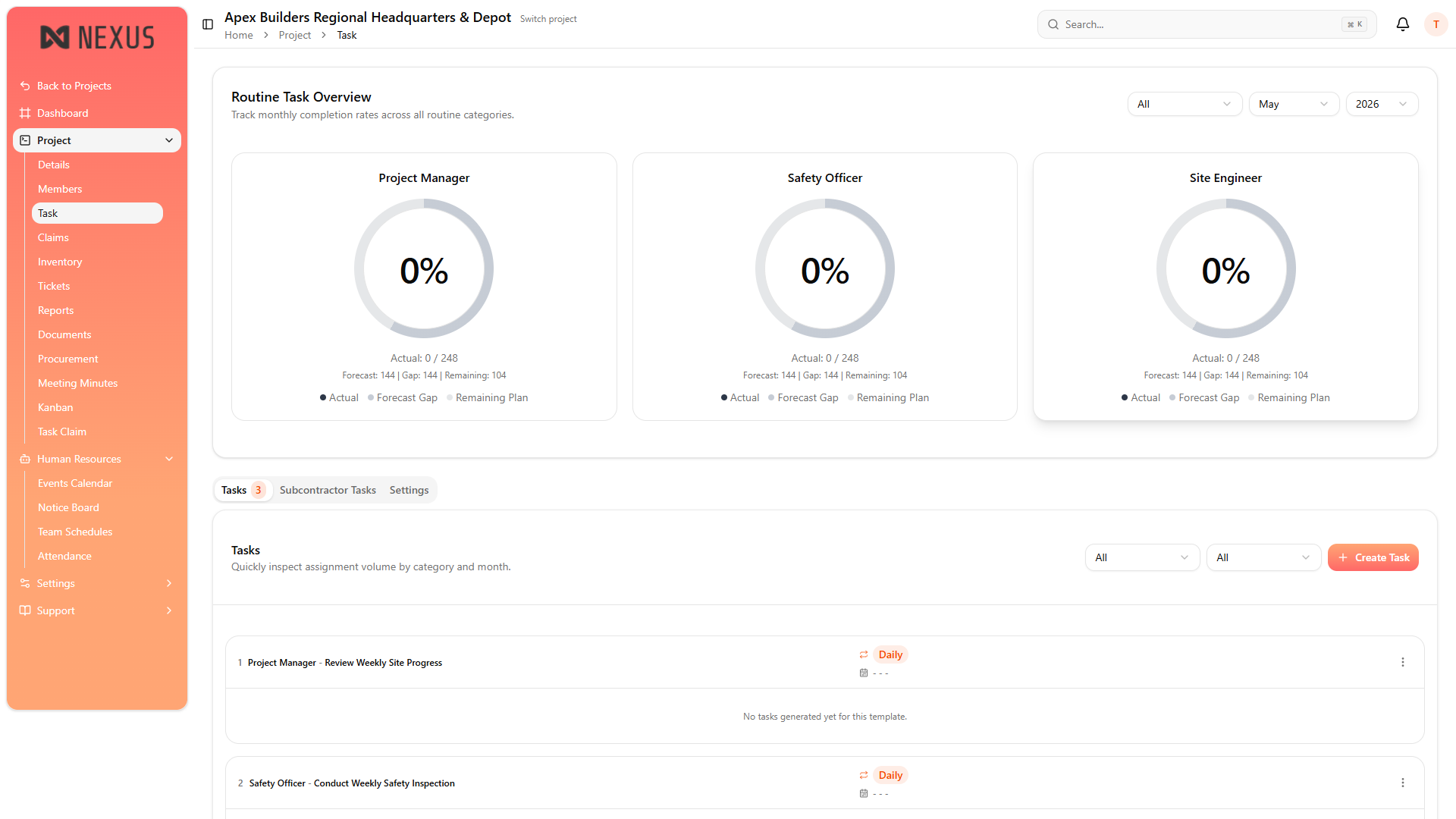
Where delays actually come from: it is rarely the big things. It is the small recurring failures — a maintenance task delayed by two days because a supervisor forgot to assign it, a complaint that sat unread in a WhatsApp group for a week, a procurement request lost between two managers, a contractor invoice paid without proof of completion. Each one is minor. Together across 40 sites, they become the difference between a profitable project and a loss-making one.
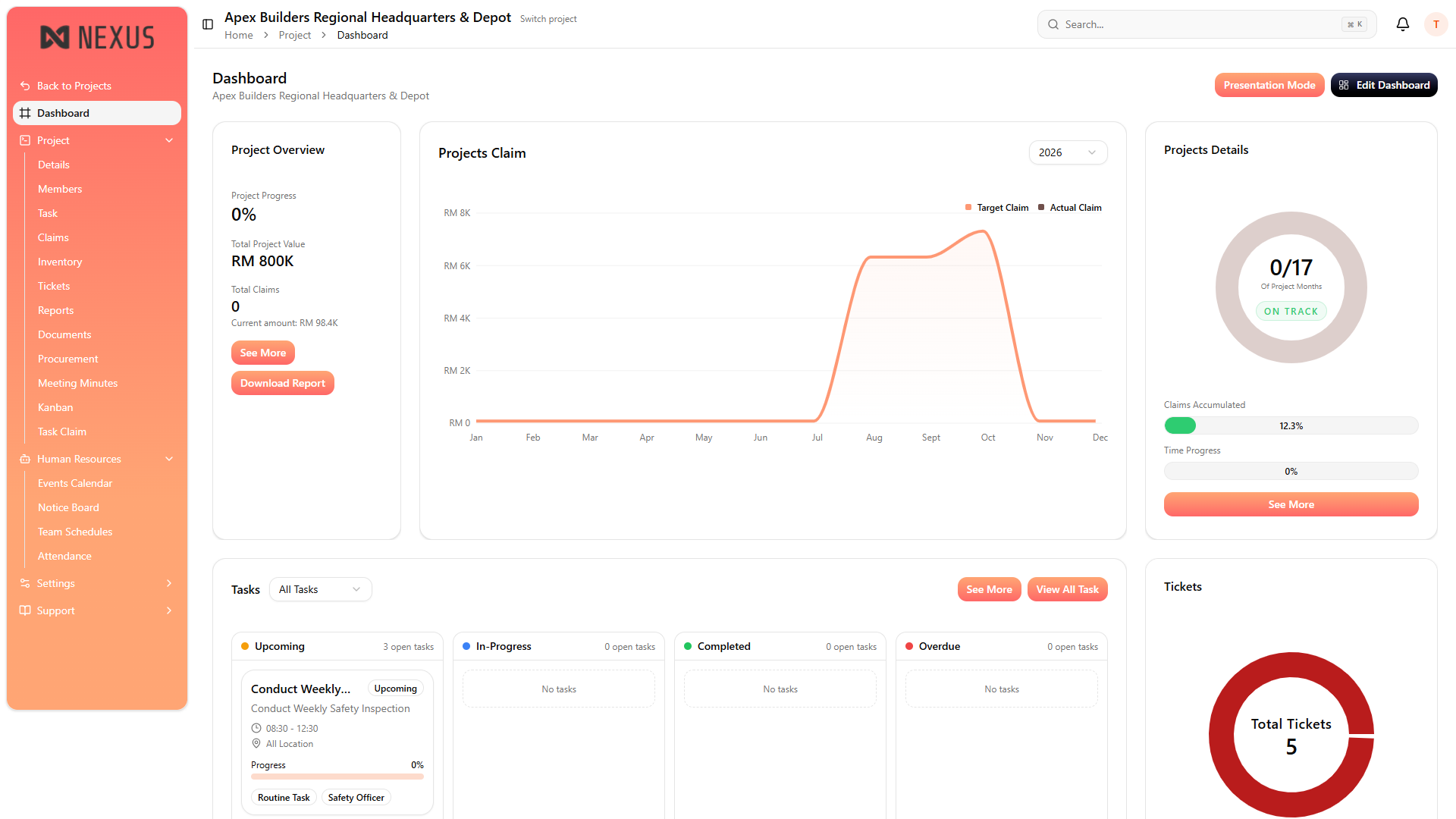
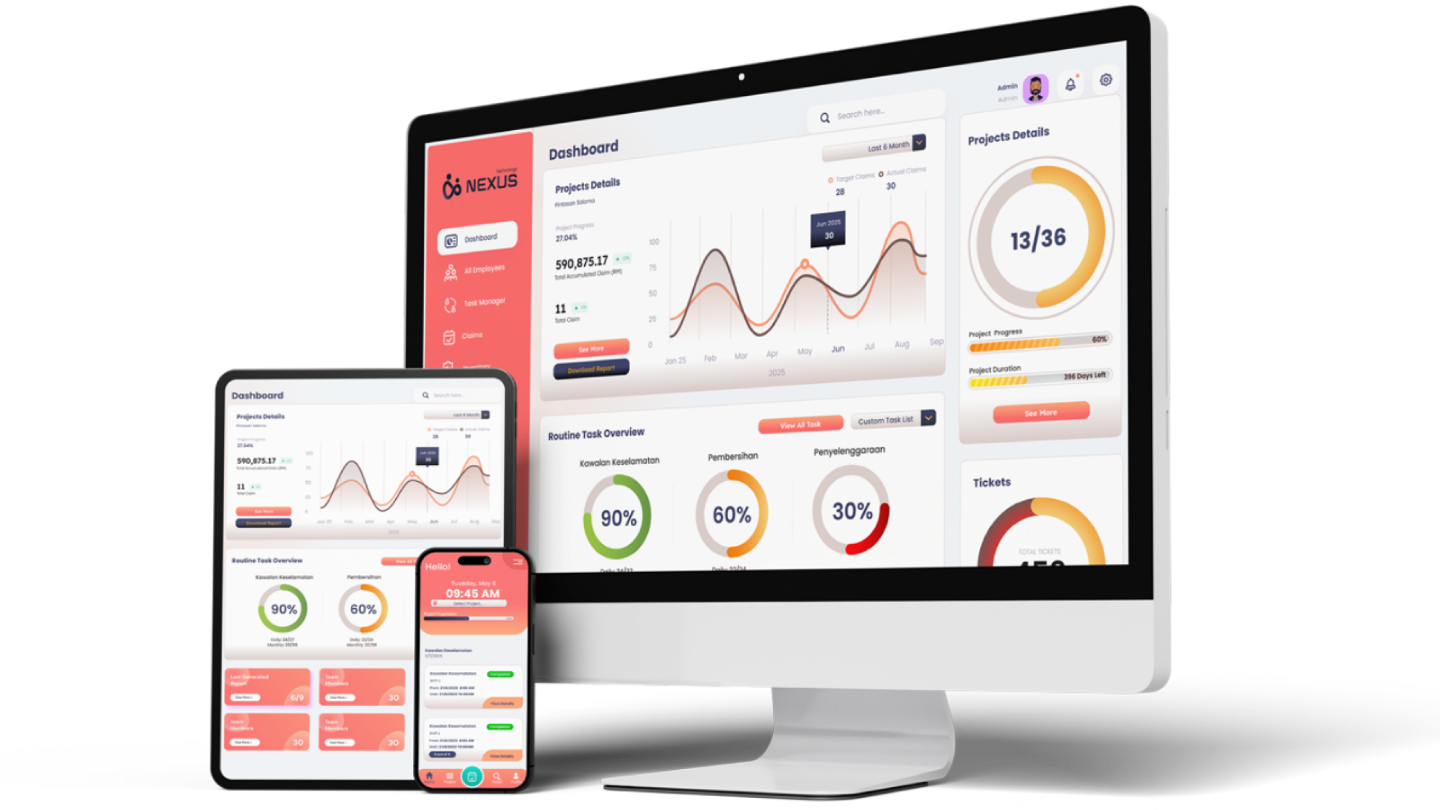
What real-time visibility actually means: one dashboard that shows every site's status right now, not yesterday's report, not last week's summary. Every task: assigned, in progress, completed with proof, or overdue. Every supervisor: clocked in or not, where they are, what they are doing. Every claim: pending, approved, paid. Multi-site visibility is not about adding more reports — it is about removing the gap between something happening on site and management knowing about it.
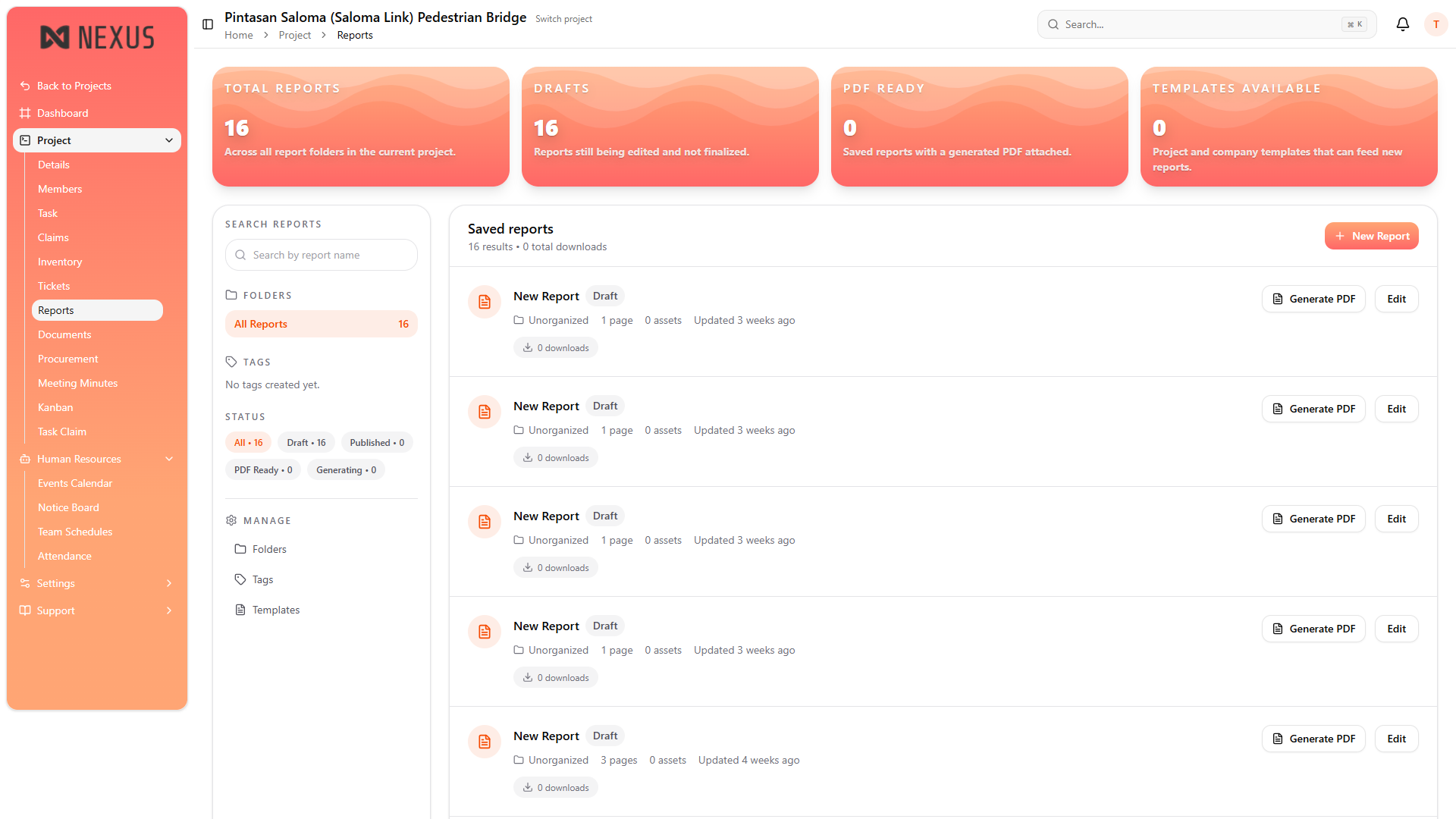
The compliance angle that makes or breaks LAD disputes: when a delay dispute lands, you need timestamps that prove when each task was assigned, completed, and verified. You need photo evidence captured with GPS coordinates, not screenshots forwarded over WhatsApp. You need a signed completion record that survives a five-year audit. A centralized ICMMS captures all of this automatically, as a by-product of normal work, instead of asking your team to reconstruct it after a dispute.
How a centralized ICMMS handles multi-site at scale: one login, every site visible. Auto-escalation when tasks go overdue past the SLA threshold. Geo-tagged photo proof of every site visit and every completed job. Reports auto-generated for monthly project reviews. Role-based access so each project manager sees their portfolio while top management sees the whole picture. Audit trails that survive contractor disputes and government audits alike.
The myth that multi-site rollouts take six months: with the right ICMMS, a 20-site operation can be live in 4 weeks. The trick is templating — one workflow defined for the first site becomes the template for the next 19. Field staff learn the same app, supervisors use the same dashboard, management sees the same KPIs. Site by site, the gap between operation and visibility closes.
The same visibility gap shows up wherever the work happens away from the office. Infrastructure operators maintaining assets across a state, security companies proving guard coverage at every post, and cleaning contractors evidencing daily work across dozens of client premises are all solving the same problem in a different uniform — proving that something happened at a place you were not standing in.
Nexus is built for multi-site operators that have outgrown spreadsheets and disconnected tools. One platform, every site, real-time. If LAD penalties are eating into your project margins, talk to our team — the visibility gap is usually where they are leaking from.